
Thank You for Signing Up to Attend a
2026 Students for Life Action
2026 Students for Life Action
State Lobby Day
You'll receive an email soon with details about your event.
In the meantime, here are some resources to help you prepare.
In the meantime, here are some resources to help you prepare.
Click to Find the Details for Your State
*Date is still being confirmed and may be subject to change.
Frequently Asked Questions:
Understanding the State Legislative Process
Ever wondered how a bill becomes a law at the state level?Here’s the step-by-step:
- Introduction: A bill is introduced in either the state House or the state Senate. For SFLAction model legislation, this means a legislator agrees to sponsor our bill and formally files it.
- Committee Review: The bill is sent to a committee that handles its subject area (for example, the Health or Judiciary Committee). Here, the members debate, hold hearings, and may amend the bill. SFLAction team members and students often provide testimony or resources during this stage.
- Floor Vote: If the committee approves the bill, it moves to the full chamber for debate and a vote. Legislators can still propose amendments. Passing one chamber is only half the battle; the bill must go through the same process in the other chamber.
- Governor’s Decision: Once both chambers pass the same version of the bill, it goes to the governor. The governor can sign it into law or veto it. If the governor vetoes the bill, the legislature can override the veto (in most states, this requires a supermajority).
Where Students for Life Action Comes In:
- Drafting: SFLAction provides model legislation that lawmakers can use as a starting point.
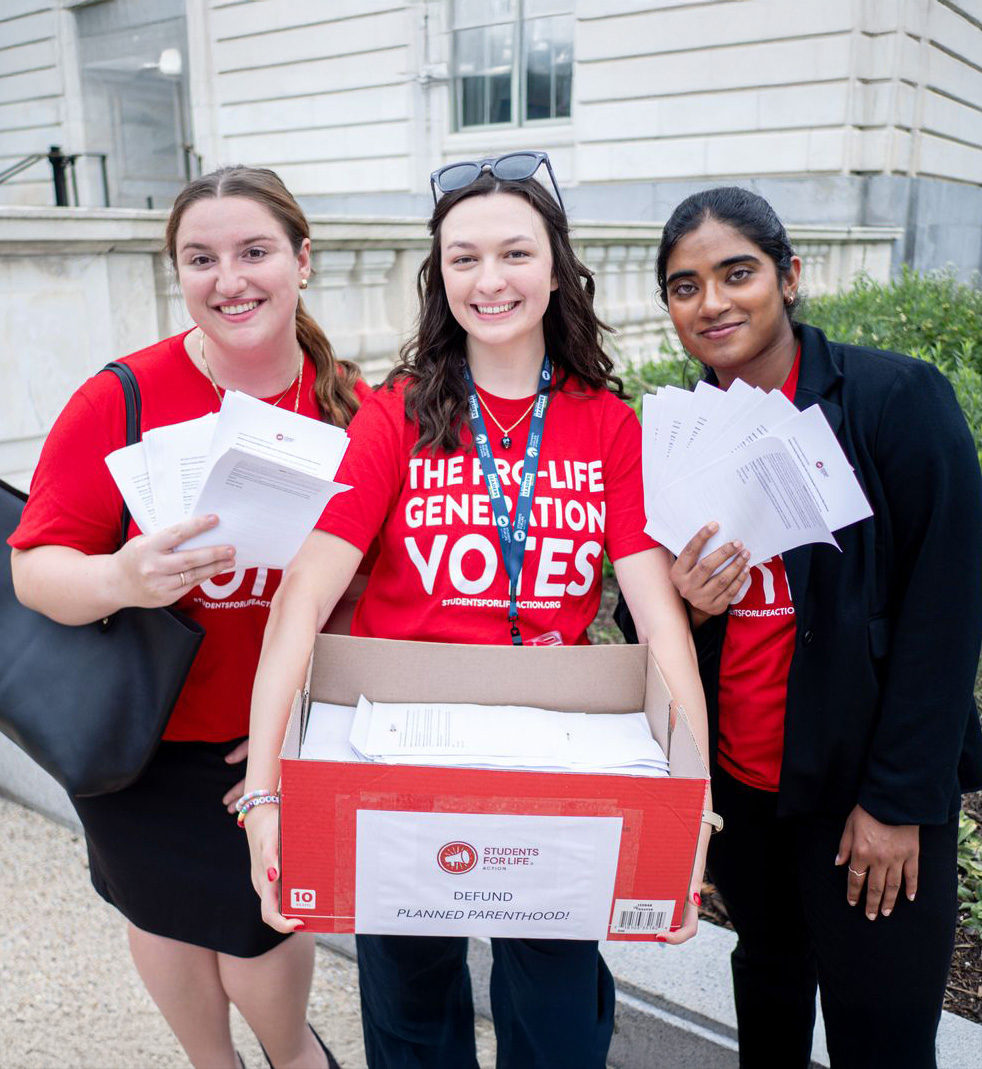
- Advocacy: SFLAction students and activists meet with legislators at events like our 2026 State Lobby Days to encourage sponsorship and votes for the bill.
- Support: SFLAction helps with research, testimony, and public awareness to move the bill through committees and floor votes.