
February 3, 2026
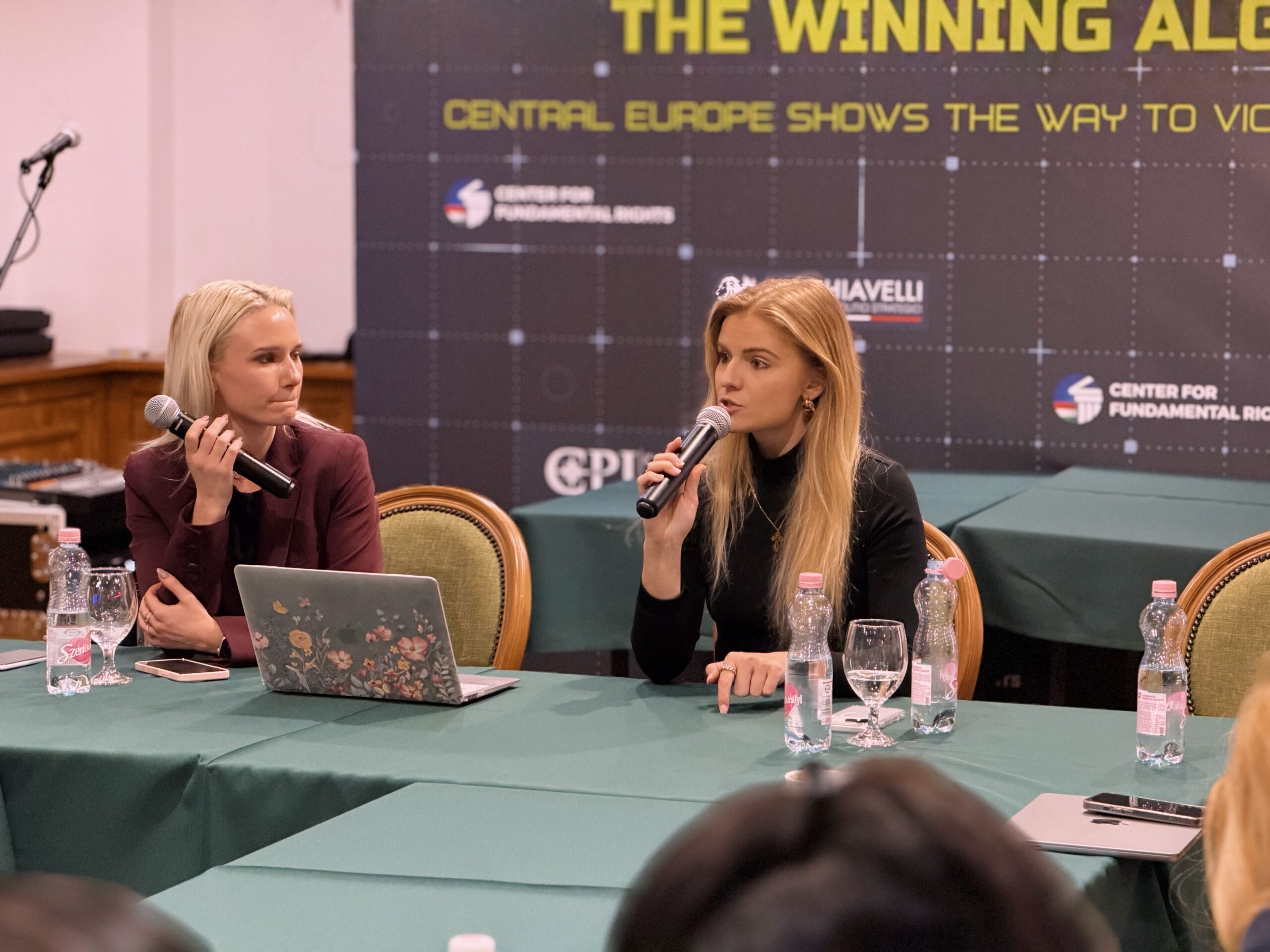
Last December, The Center for Fundamental Rights, which also runs CPAC Hungary, gave me the incredible opportunity to speak with young professionals who work in politics from around the globe on how to defend their pro-life and conservative values in a hostile online and political environment. The Center for Fundamental Rights sees the need for its people to become more involved in pro-life activism like the United States currently is. There is a growing desire among people in Hungary to be stronger voices for truth, and groups like Students for Life of America and Turning Point USA are grassroots activist organizations serve as their model.
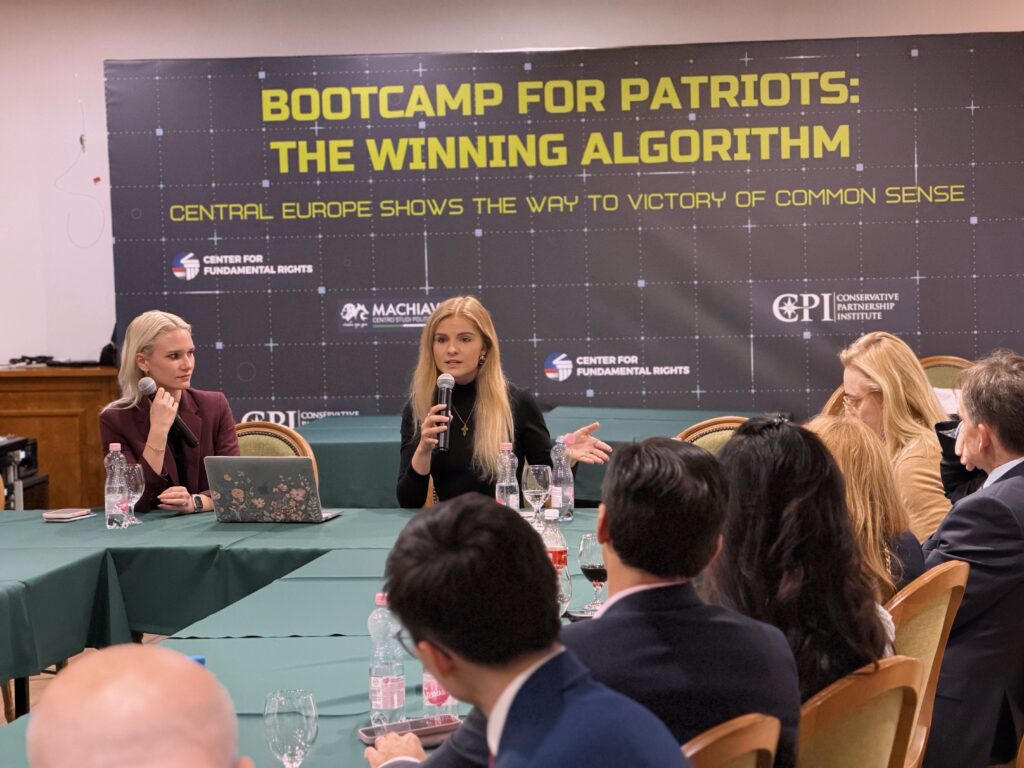
In my presentation, I discussed how pro-life advocates can push the message and share the truth in creative ways, how to grow the movement online, how to communicate and inspire others effectively through various channels, and how to stay true to the cause while also being effective in one’s legislative system. We also had some great questions about how to deal with difficult situations of persecution, censorship, and challenging political circumstances.
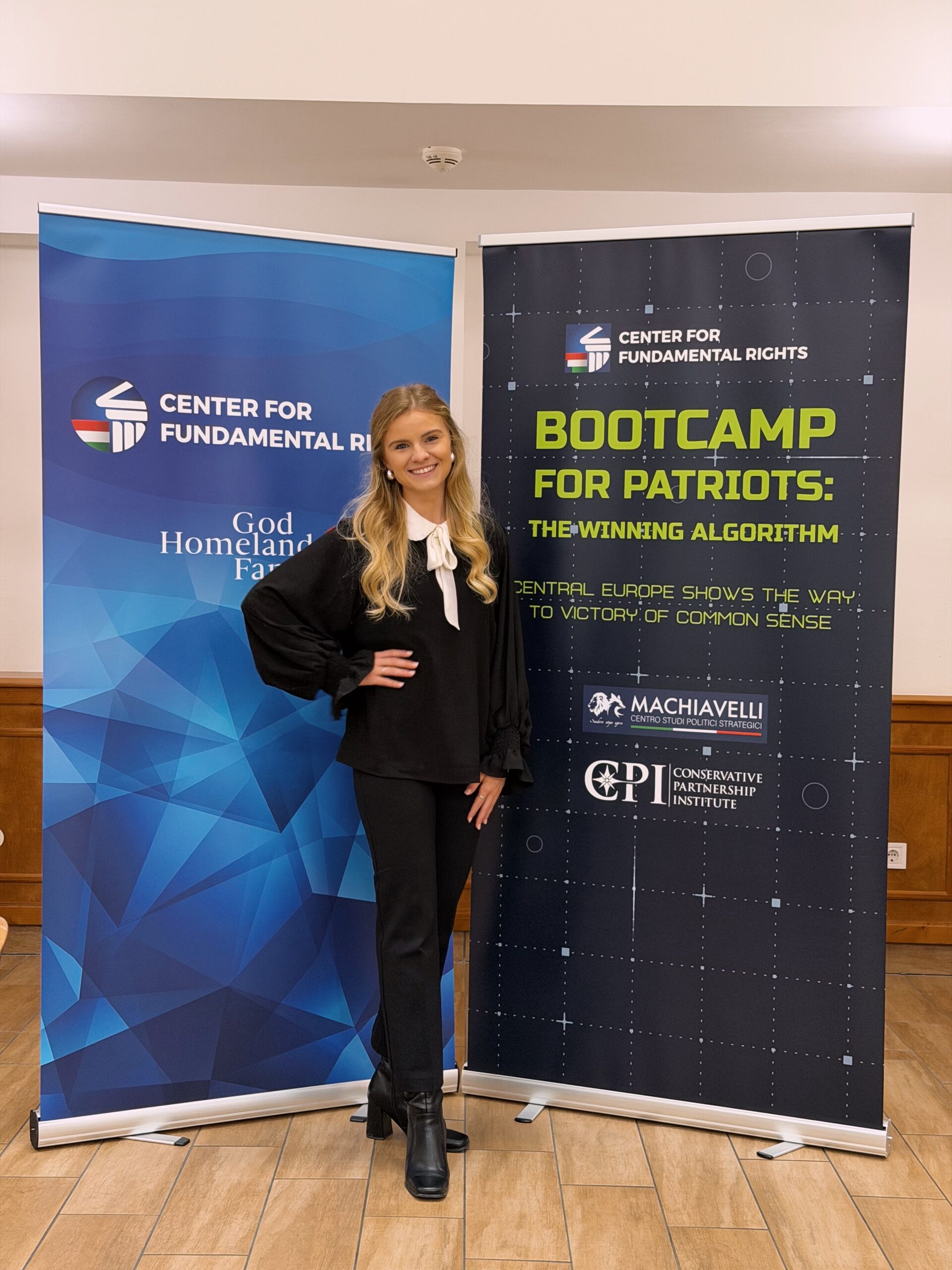
My concluding action item for them was: “It is better to be remembered for standing up for the truth and being hated by many, than to stand for nothing at all and be loved by many. Go into your countries and be unapologetic. Being unwavering in your convictions is attractive to people. Stay faithful to the truth.” And I left them with this crucial question: “How will you use your influence and voice on social media back in your home country?”
At this conference, entitled Bootcamp for Patriots, everyone was eager to learn how to mobilize pro-life conservatives. Many people who attended this conference have not engaged in apologetics, debate, or grassroots activism very much before. Students for Life of America’s approach to grassroots engagement has the potential to galvanize pro-life grassroots activism in Europe by equipping them with the tools to mobilize their fellow citizens to advocate for life in their communities and in Parliament.
I learned that in global conversations about declining birth rates and family instability, Hungary stands out for its creative pro-life approach, prioritizing support for families. What is uncommon about Hungary is that it is more socially conservative with its pro-family, pro-marriage, and strict immigration laws; however, it has almost no pro-life grassroots presence and still allows abortions up to 12 weeks (three months into pregnancy). They have policies such as mothers receiving extended maternity benefits, large families receiving long-term tax relief, young couples receiving support at the earliest stages of building a household, etc. Family formation, marriage, and child-rearing are treated not as private burdens but as public goods worthy of societal investment. In this way, the country’s approach addresses one of the most common drivers of abortion worldwide: financial insecurity.
Zsófia Koncz, Hungary’s Secretary of State for Families, shared at the conference that since 2010, when they started implementing more pro-family laws, abortions were cut by 50% even though the abortion laws did not change. That is huge! This makes sense because, according to our most recent poll through the Demetree Institute for Pro-Life Advancement, more than 7 out of 10 of the youth vote support limits on abortion if there are more pro-family policies in place.
Some of my biggest takeaways from this trip:
- There is a massive opportunity to train and mobilize pro-life people in Europe, especially in the more conservative countries like Hungary and Poland. The U.S. is set apart by our firm commitment to activism and grassroots work, unlike most European countries, which do not have the same free-speech rights as we do. This often deters passionate people in other countries from speaking boldly about the life issue.
- While no system is without challenges, Hungary’s pro-family agenda provides a compelling case study for how the U.S. Government can advance a pro-life vision through long-term investment in families. In an era when many nations struggle to save babies from abortion, maybe we can learn from countries like Hungary that see the value in the nuclear family being a foundation for a successful and healthy society. In a perfect country, using both Hungary’s family policies and the U.S.’s pro-life policies, all preborn babies can be saved.
- There is a hunger for more pro-life activism in Europe, and they want to learn how to do that.
I look forward to future opportunities to work with the people of Hungary and abroad to expand pro-life activism and advocacy worldwide. Glory be to God for this wonderful and fruitful opportunity.