
May 18, 2026
With the U.S. birth rate at a historic low, a new law could motivate Americans to expand their families.
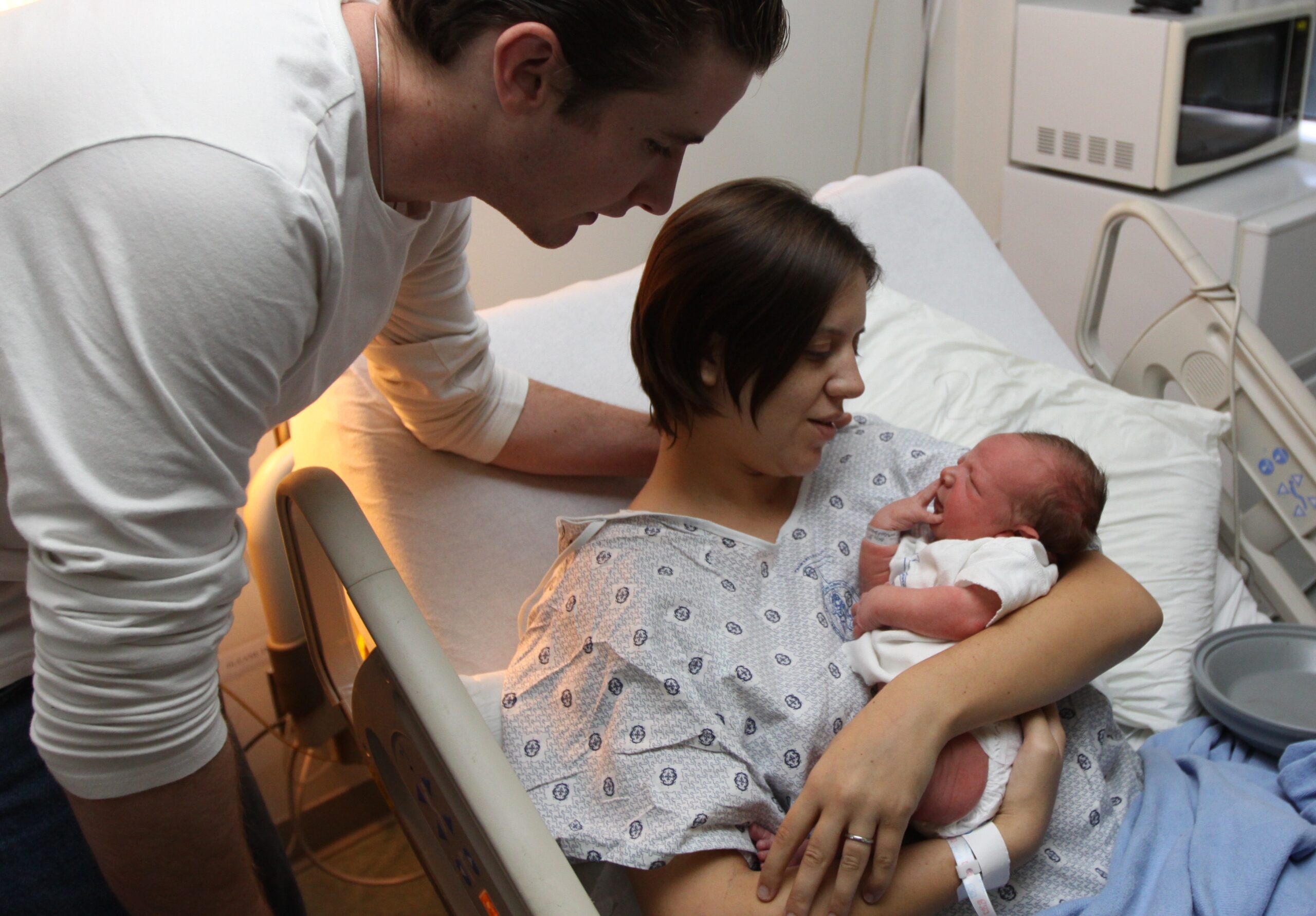
The “Supporting Newborn Parents Act of 2026,” introduced in the U.S. House of Representatives by Rep. David Valadao (R-CA), would create new tax credits for parents of newborns. The tax credits are designed to help parents navigate the initial costs of welcoming a new life into the world.
Parents earning at least $10,000 a year could receive a tax credit of up to $2,000 for each newborn child in their home. The credits would help new and existing families better afford the many costs that come along with introducing a new member to their family.
Parents can access this support at multiple points during their parenting journey. They can wait to collect their tax credit during normal tax filing, or they can complete a request form at the hospital (or other birthing location) requesting an advance payment if they need the support sooner.
The bill also requires the IRS to make a baby registry portal where parents can upload information regarding their newborn to ensure quick review and approval of advanced payments.
What’s at Stake
According to the Institute for Family Studies, “parents [of newborns] are more vulnerable to economic shocks than they might be later in a child’s life. The parents are younger, which means they have lower earning potential than they are likely to have when the child is older. In addition, they’ve had less time to build up reserves of savings or sick days.”
This bill would take some of that weight off parents’ shoulders, allowing them to spend more time with their newborns.
Why it Matters
Birth rates in the U.S. hit an all-time low in 2025, according to CDC data.
According to the CDC report:
Reasons for delayed childbearing include access to reliable contraception, pursuit of higher education, increased labor force participation, changes in familial values, relationship instability, and financial considerations…. Having a first child at older ages has been associated with a positive impact on women’s wages and career paths, in addition to having a positive impact on their children because they are more likely to have parents with greater family and economic stability.
Of course, the report points out the problem with waiting later to get pregnant:
A potential negative consequence of delayed childbearing is that women are attempting to have children when their fecundity (ability to have children) is declining. Pregnancies, particularly first pregnancies, at older ages have been associated with greater risks for mother and child during gestation and delivery.
Long story short: women are waiting to have children is because they lack financial stability and are pursuing other paths that may provide them that security, but this plan could compromise their ability to have children altogether.
This makes a bill like this crucial to addressing falling birth rates and allowing Americans to pursue the families they desire.
What We Have Said
Students for Life (SFL) has long supported tax benefits for families. In 2022, SFL’s Executive Vice President Tina Whittington published an op-ed in Newsweek detailing the importance of lower tax burdens for struggling families and her own experience with the burdens of costs related to her son’s early birth and illness. She later raised the point again in a 2025 Townhall op-ed in support of the Child Tax Credit.
We’ve shown that support goes beyond our movement. Students for Life of America’s Demetree Institute for Pro-Life Advancement released a survey in January 2026 conducted by Survey USA showing that not only is increased federal and state support wanted by Gen Z and Millennial voters but makes them support pro-life policies. Of those surveyed, 34% said they “would be more willing to accept limits on abortion” if families received this sort of support.
What Comes Next
The bill will now have to face committees and votes in the House and Senate to pass before making its way to the president’s desk.
The bill faces challenges, as House and Senate Democrats are eager to shoot down legislation supporting women, families, and Life. Earlier this year, they killed SFLAction’s model legislation introduced by Rep. Ashley Hinson, the “Pregnant Students’ Rights Act” (H.R. 6359), which would have made it required for colleges and universities to make pregnant and parenting students aware of their rights and protections under Title IX.
What the Sponsor Has Said
Bill sponsor Rep. David Valadao (R-CA) has championed the bill as the “commonsense” bill parents need.
Congressman Valadao said in a news release announcing the bill’s introduction:
“One of the most exciting moments for any expecting family is preparing to welcome a new child, but unexpected expenses can quickly add up and leave new parents facing costs far beyond what they planned… As a father of three, I know how quickly costs can pile up—from diapers and clothing to strollers, childcare, and other essentials during a baby’s first year. While the existing Child Tax Credit has provided important relief for many working families, parents often need support long before tax season arrives. That’s why I’m proud to lead the bipartisan Supporting Newborn Parents Act of 2026, which would provide up to $2,000 per newborn as an advance payment to help families cover the immediate costs that come with welcoming a child into the world. This commonsense bill gives working parents greater financial flexibility and peace of mind so they can focus on growing their family instead of worrying about how to make ends meet.”
Students for Life applauds Rep. Valadao and his co-leads, Reps. Tom Suozzi (NY-03), Blake Moore (UT-01), and Debbie Dingell (MI-06) for fighting for American families through the “Supporting Newborn Parents Act of 2026.”
This country is full of young people who still want the American Dream, including a strong family unit. This bill will enable families who were otherwise anxious about the high costs of childbirth and care to find peace of mind knowing their hard-earned money will go not to government waste or politicians’ pockets, but to supporting their budding families’ needs.
READ MORE ABOUT WHAT SFLACTION IS DOING TO SUPPORT AMERICAN FAMILIES: